Star Cadillac Racing driver grew up at the 24 Hours of Le Mans
2026-06-10
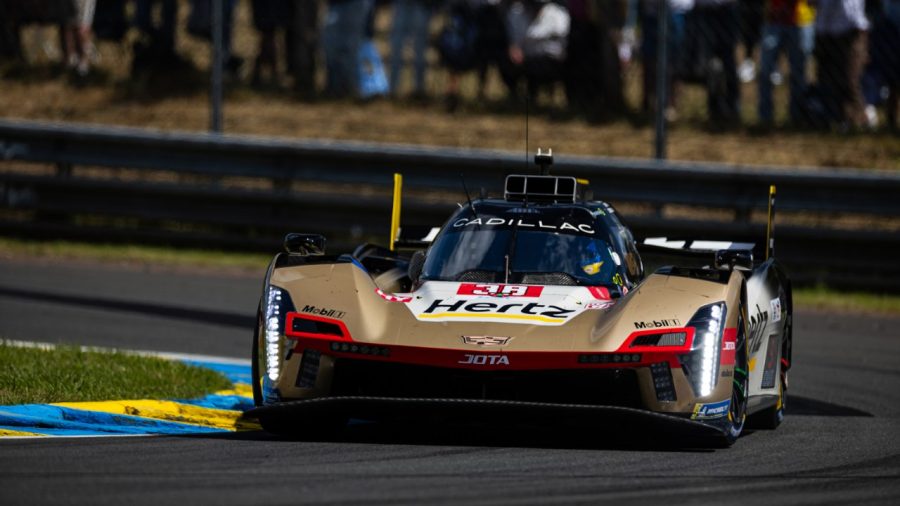
For Sébastien Bourdais, the 24 Hours of Le Mans isn’t just the biggest race of the year – it’s his home race. The French professional race car driver was born and raised close to the circuit, and he’s contested the 24-hour classic 18 times. With a class win and three 2nd place overall finishes to his credit, Bourdais brings a wealth of experience to Cadillac Racing. This weekend, he’ll be competing at the iconic race in the No. 38 Cadillac Hertz Team Jota V-Series.R alongside teammates Earl Bamber and Jack Aitken.
Before the race, he sat down for an interview to talk about his relationship to Le Mans, and how he’s preparing for this year’s running.
How old were you when you first attended the Le Mans 24 Hours? What were your memories of it?
“My first where when I was maybe five or something like that. We always used to go at least to night practice or something to watch the cars. We used to live very close to the Mulsanne corner and Indianapolis and it was always quite interesting to watch from the outside of the track. You had the big braking zones and the brake discs glowing and I remember that well. I was watching this not with the eye of an insider because my dad had not done Le Mans yet at that point, but I pretty much grew up on racetracks and although the cars were different it was a familiar environment to me so I was watching it with the eyes of a kid that grew up on the racetrack.”
Your parents attend a lot of your World Endurance Championship races. How important is having your family around at the races for you?
“I’m an only child so we've always been quite close, and racing is definitely something we share. I always enjoy having them around, I don’t necessarily always have the time to spend with them during the race weekends but it's always good to have to have them around and to share that passion that has always kind of put us together. through a lot of amazing times. You lose more than you win in racing even if you have an amazing career, but we've had a lot of very good memories to celebrate and share and that's always you know made us a pretty close group.”
Your father was a racer himself and the two of you even raced at Le Mans one year, albeit in different cars. How much of an influence did he have on your career?
“My dad raced before I was born and raced until 2007. I don't know how much he influenced me, but he sure made it possible for me because we were not a very wealthy family and thankfully back then it was a lot cheaper than it is now, otherwise I would never have been a race car driver. Through his work, he had a network of friends who had the possibility to help us through my early days, so I wouldn't be here if my dad had not done everything he's done for me and my career so yeah. He has been instrumental. He’s never raced go-karting or open-wheel so he wasn’t trying to tell me what to do but he always made sure I was getting what I needed to perform and the people who were capable of helping me achieve that.”
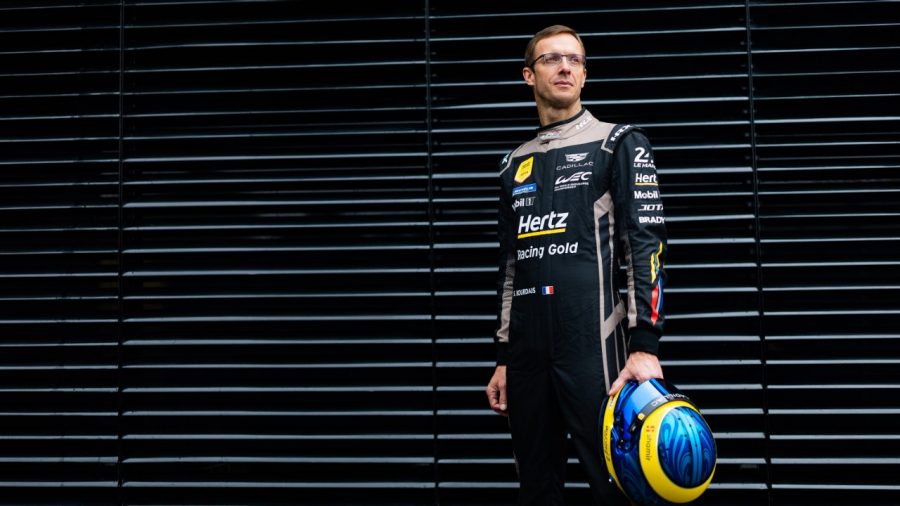
Caption: Sébastien Bourdais
You’ve raced in arguably the three greatest races in the world (Le Mans, Monaco Grand Prix and Indy 500). What is it about these races that you think makes them so iconic – the races that everybody wants to win?
“All of the massive racing events like Le Mans, Monaco, Indy, and to some degree Daytona, Sebring and Nürburgring, have history; that's the biggest thing. A history of the greatest drivers, teams and cars and that's what builds legacies and legends. Then it gets to completely different level of magnitude and engagement so when you’re part of these events, it's not like anything else. Everybody wants to win because you want to be thought of that history of the sport that you love so much. There’s a very big pride if you manage to just join those legends. For me, Le Mans represents more than any other because I grew up there and raced there many times. I’ve come quite close a few times and it’s one of those races that is extremely difficult to win and, maybe it's the year!”
What is your greatest sporting achievement to date?
“It has to be Champ Cars and winning the four championships in a row. I think it was 31 wins and poles in 73 races. The whole experience, the gelling with the team and how much of a family it was and what a group effort it was to sustain that level of domination and how in control in that particular car I was from pretty much the first time I got in it. It was just a perfect formula for my driving style and that will definitely remain the greatest time of my career. I’m quite proud of quite a few things that I've done since, but it will definitely remain the one thing in my career that properly stands out.”
Do you approach preparing for Le Mans differently to other WEC races, if so, how?
“I don't think we prep for Le Mans particularly differently to any other race. There is always a lot of work that goes into every WEC event. All six drivers and the entire team is very focused at being competitive at every single one of them. Of course, everybody wants to win Le Mans that extra bit more, but the process essentially is the same. The difference is that the runtime is significantly more at Le Mans so you have a lot more prep with the test day, the test sessions and the multiple qualifying sessions, so by the time you get to a race day you usually feel quite a bit more prepared and ready than sometimes you can be when you've done 15 laps.”
How have you spent your time between Spa and Le Mans?
“We had a test session, so went to Silverstone for that two-day test. Then I went straight to the sim in Indy, which is a fairly normal process to optimise things. Then we work to come up with the best potential set up. The work never really stops and whether it’s Le Mans or another WEC race, the prep is the same, it's just preparing for a 24-hour races is always a little bit more, particularly for the team because you need more spares, a few more people as it’s a long week. For the drivers it’s not an easy one, but it’s much harder for the technical team. For my own physical preparation, you carry on through the entire year, you can’t push at the last minute for Le Mans. That race is more about fatigue management more than the physicality itself. If it gets really hot that's more demanding on the body, so hydration through the week is always critical but I don’t really do anything different.”
Sébastien Bourdais at Le Mans in the Cadillac Hertz Team Jota No. 38 V-Series.R
For Sébastien Bourdais, the 24 Hours of Le Mans isn’t just the biggest race of the year – it’s his home race. The French professional race car driver was born and raised close to the circuit, and he’s contested the 24-hour classic 18 times. With a class win and three 2nd place overall finishes to his credit, Bourdais brings a wealth of experience to Cadillac Racing. This weekend, he’ll be competing at the iconic race in the No. 38 Cadillac Hertz Team Jota V-Series.R alongside teammates Earl Bamber and Jack Aitken.
Before the race, he sat down for an interview to talk about his relationship to Le Mans, and how he’s preparing for this year’s running.
How old were you when you first attended the Le Mans 24 Hours? What were your memories of it?
“My first where when I was maybe five or something like that. We always used to go at least to night practice or something to watch the cars. We used to live very close to the Mulsanne corner and Indianapolis and it was always quite interesting to watch from the outside of the track. You had the big braking zones and the brake discs glowing and I remember that well. I was watching this not with the eye of an insider because my dad had not done Le Mans yet at that point, but I pretty much grew up on racetracks and although the cars were different it was a familiar environment to me so I was watching it with the eyes of a kid that grew up on the racetrack.”
Your parents attend a lot of your World Endurance Championship races. How important is having your family around at the races for you?
“I’m an only child so we've always been quite close, and racing is definitely something we share. I always enjoy having them around, I don’t necessarily always have the time to spend with them during the race weekends but it's always good to have to have them around and to share that passion that has always kind of put us together. through a lot of amazing times. You lose more than you win in racing even if you have an amazing career, but we've had a lot of very good memories to celebrate and share and that's always you know made us a pretty close group.”
Your father was a racer himself and the two of you even raced at Le Mans one year, albeit in different cars. How much of an influence did he have on your career?
“My dad raced before I was born and raced until 2007. I don't know how much he influenced me, but he sure made it possible for me because we were not a very wealthy family and thankfully back then it was a lot cheaper than it is now, otherwise I would never have been a race car driver. Through his work, he had a network of friends who had the possibility to help us through my early days, so I wouldn't be here if my dad had not done everything he's done for me and my career so yeah. He has been instrumental. He’s never raced go-karting or open-wheel so he wasn’t trying to tell me what to do but he always made sure I was getting what I needed to perform and the people who were capable of helping me achieve that.”
You’ve raced in arguably the three greatest races in the world (Le Mans, Monaco Grand Prix and Indy 500). What is it about these races that you think makes them so iconic – the races that everybody wants to win?
“All of the massive racing events like Le Mans, Monaco, Indy, and to some degree Daytona, Sebring and Nürburgring, have history; that's the biggest thing. A history of the greatest drivers, teams and cars and that's what builds legacies and legends. Then it gets to completely different level of magnitude and engagement so when you’re part of these events, it's not like anything else. Everybody wants to win because you want to be thought of that history of the sport that you love so much. There’s a very big pride if you manage to just join those legends. For me, Le Mans represents more than any other because I grew up there and raced there many times. I’ve come quite close a few times and it’s one of those races that is extremely difficult to win and, maybe it's the year!”
What is your greatest sporting achievement to date?
“It has to be Champ Cars and winning the four championships in a row. I think it was 31 wins and poles in 73 races. The whole experience, the gelling with the team and how much of a family it was and what a group effort it was to sustain that level of domination and how in control in that particular car I was from pretty much the first time I got in it. It was just a perfect formula for my driving style and that will definitely remain the greatest time of my career. I’m quite proud of quite a few things that I've done since, but it will definitely remain the one thing in my career that properly stands out.”
Do you approach preparing for Le Mans differently to other WEC races, if so, how?
“I don't think we prep for Le Mans particularly differently to any other race. There is always a lot of work that goes into every WEC event. All six drivers and the entire team is very focused at being competitive at every single one of them. Of course, everybody wants to win Le Mans that extra bit more, but the process essentially is the same. The difference is that the runtime is significantly more at Le Mans so you have a lot more prep with the test day, the test sessions and the multiple qualifying sessions, so by the time you get to a race day you usually feel quite a bit more prepared and ready than sometimes you can be when you've done 15 laps.”
How have you spent your time between Spa and Le Mans?
“We had a test session, so went to Silverstone for that two-day test. Then I went straight to the sim in Indy, which is a fairly normal process to optimise things. Then we work to come up with the best potential set up. The work never really stops and whether it’s Le Mans or another WEC race, the prep is the same, it's just preparing for a 24-hour races is always a little bit more, particularly for the team because you need more spares, a few more people as it’s a long week. For the drivers it’s not an easy one, but it’s much harder for the technical team. For my own physical preparation, you carry on through the entire year, you can’t push at the last minute for Le Mans. That race is more about fatigue management more than the physicality itself. If it gets really hot that's more demanding on the body, so hydration through the week is always critical but I don’t really do anything different.”